Free First Then Visual Printable Guide – A first then visual is a simple, powerful tool used by parents, teachers, and therapists across the United States. It shows a child one task or activity that must happen first, followed by a preferred activity that comes next. This visual support is especially helpful for children with autism, ADHD, or other developmental needs who benefit from clear structure and predictability.
These boards reduce anxiety during transitions, increase cooperation, and help kids understand expectations without relying only on verbal instructions. Many families and classrooms start with free printable versions that can be customized with pictures or photos.
What Is a First Then Visual?
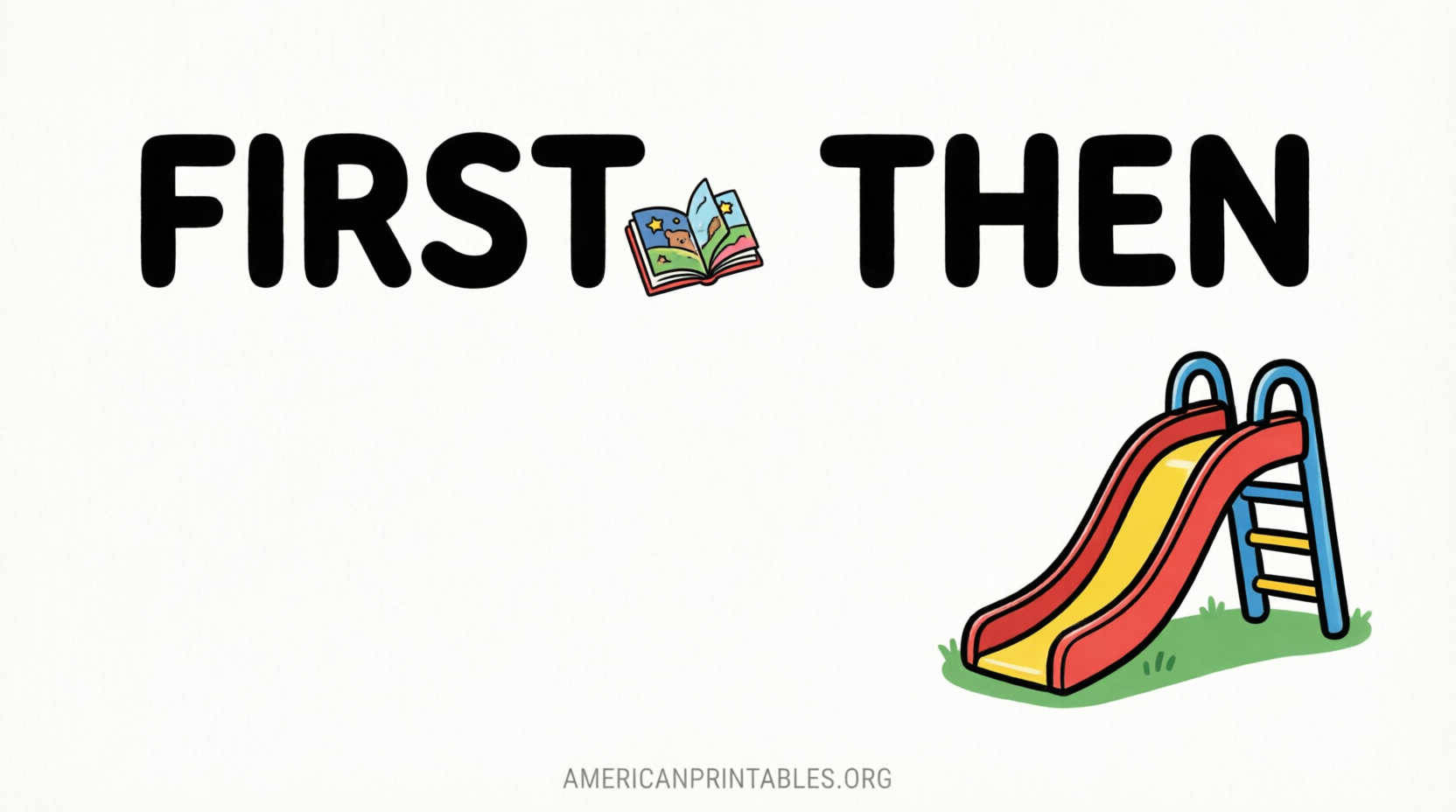
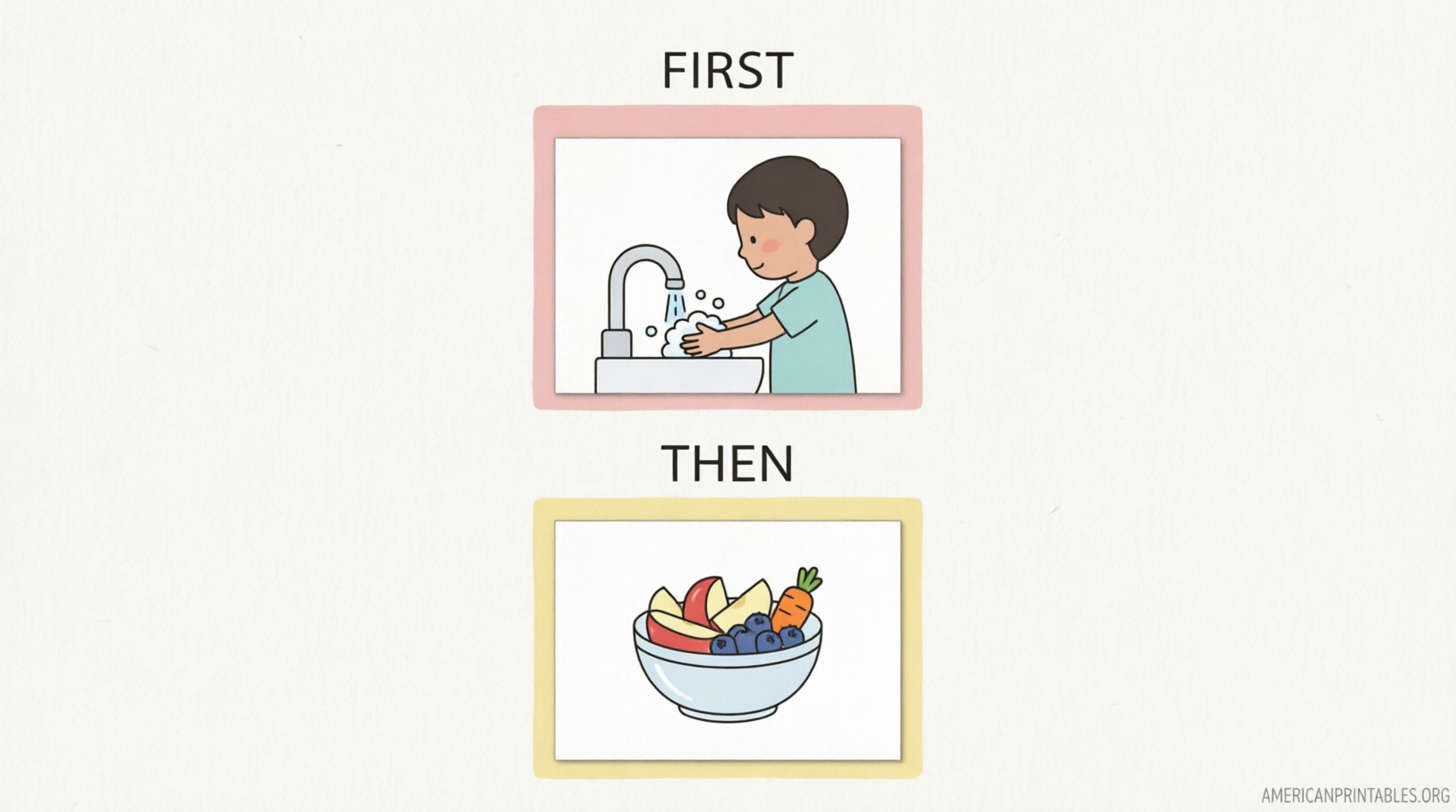
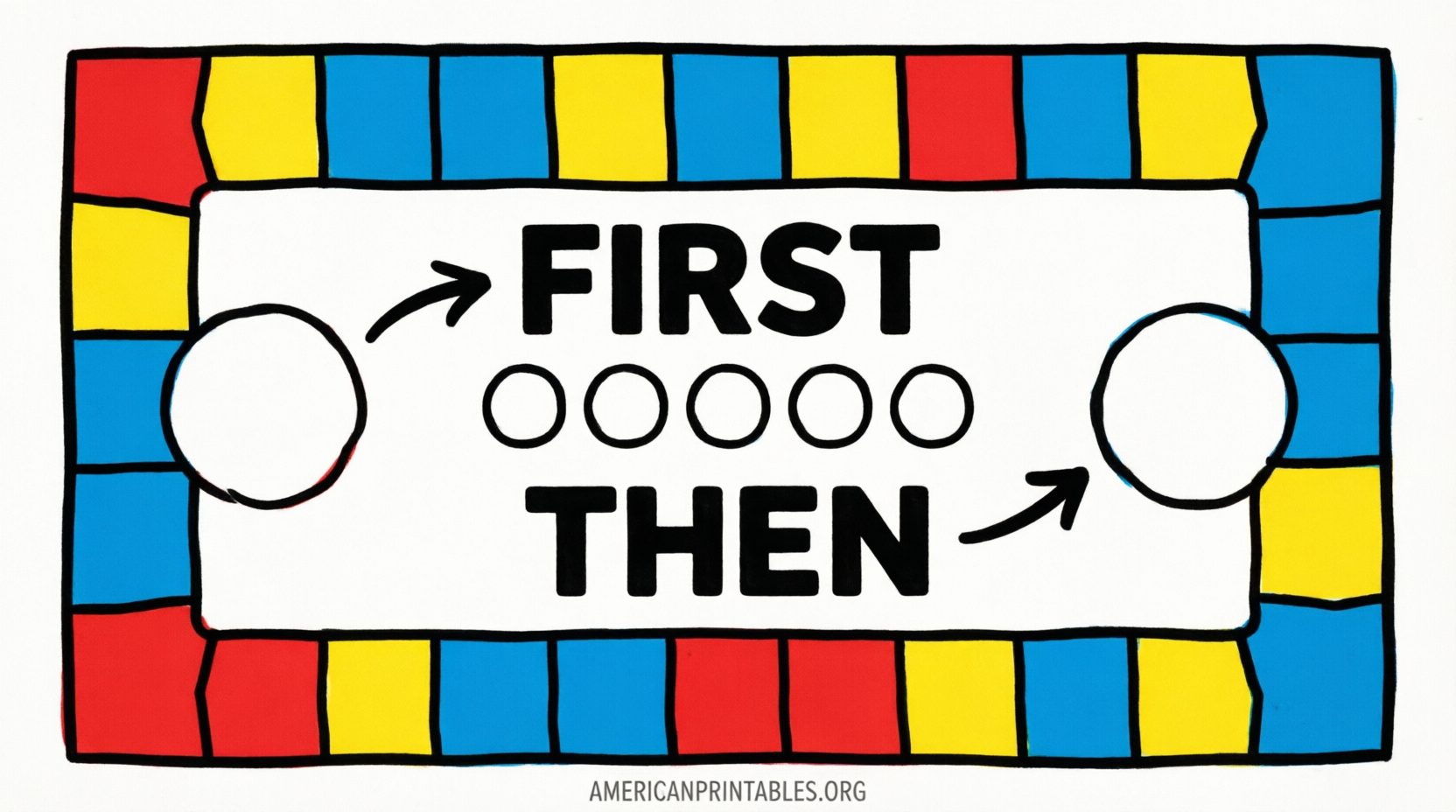
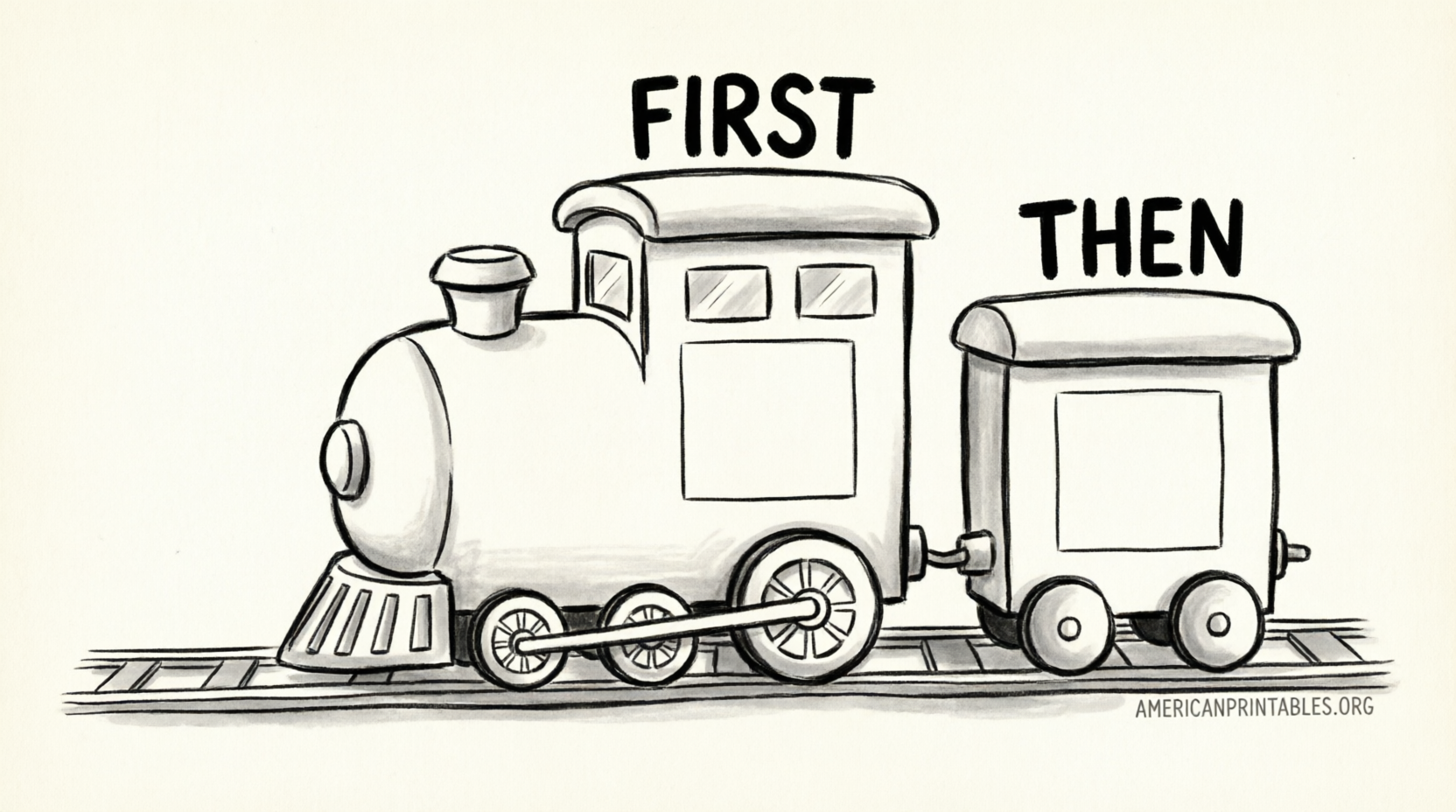
A first then board (sometimes called a first-then schedule or first-then chart) typically has two sections side by side. The left side is labeled “First” and shows the required activity. The right side is labeled “Then” and shows a motivating reward or preferred activity.
For example:
- First: brush teeth → Then: watch a favorite show
- First: complete math worksheet → Then: free play time
- First: put on shoes → Then: go outside
The visual format makes the sequence concrete. Children can see what is expected and what they will earn, which often leads to smoother routines and fewer meltdowns.
Why First Then Visuals Work?
These tools draw on the Premack Principle: a preferred activity can motivate completion of a less preferred one. Research and classroom experience show that visual schedules help autistic and neurodivergent children by:
- Making expectations clear and consistent
- Reducing the need for repeated verbal prompts
- Supporting independence during daily routines
- Easing transitions between activities
They work well at home, in preschool and elementary classrooms, during therapy sessions, and in community settings.
Where to Get Legitimate Free First Then Visual Printables?
Several trusted organizations and specialists offer free, ready-to-print first then boards. Here are reliable options currently available:
You can download free first/then and first/then/next boards directly from Project Play Therapy. These templates work with PECS cards, printed pictures, or hand-drawn images and are designed for routines and transitions.
Download the free First Then Boards from Project Play Therapy
Autism Classroom Resources, created by special education expert Christine Reeve, provides a free first-then board printable through its resource library. The site also offers a thorough guide on how to choose and teach visual schedules effectively.
Visit Autism Classroom Resources for free first-then printables and guidance
Goally offers a free printable first-then visual schedule template along with practical tips on choosing effective “first” and “then” activities. The page includes step-by-step instructions for laminating and customizing the board.
Get the free First Then Schedule Chart from Goally
Special Learning House provides a free first then visual schedule PDF aimed at children with autism. The printable can be laminated and used with photos of real activities.
Download the free First Then Visual Schedule from Special Learning House
These sources are free and legitimate. Some may ask for an email to access the download or free resource library—this is common and usually leads to additional helpful materials rather than sales pressure.
Free First Then Visual Printable Guide
How to Make and Use Your First Then Visual?
- Print the template on regular or cardstock paper.
- Laminate the board or place it in a sheet protector so it lasts longer.
- Add Velcro dots or reusable adhesive to the “First” and “Then” boxes.
- Create or print picture cards for common tasks and preferred activities. Real photos of your child’s toys, places, or routines often work best.
- Place the required activity on the left and the preferred activity on the right.
- Show the board to the child, point to each side, and briefly state the sequence: “First [task], then [reward].”
- Follow through consistently. Once the first task is done, move right away to the then activity.
Start with short, achievable “first” tasks so the child experiences success. Over time you can lengthen the work period or introduce first-next-then boards for slightly longer sequences.
Tips for Success at Home and School
- Keep the language simple and consistent.
- Use the board only for the specific transition or task—avoid overcrowding it.
- Update pictures as preferences change.
- Pair the visual with positive reinforcement.
- Teach the child how to check the board independently.
Many U.S. special education classrooms and ABA programs use first then boards daily. Parents often find the same tool helpful for morning routines, homework, chores, and bedtime.
FAQ
Is a first then visual only for children with autism?
No. While especially effective for autistic learners, these boards also support children with ADHD, developmental delays, language challenges, or anyone who benefits from visual structure.
Do I need special pictures or PECS cards?
No. You can use free clipart, magazine cutouts, photos from your phone, or simple drawings. Consistency in style helps recognition.
How is a first then board different from a full visual schedule?
A first then board focuses on just two steps and is ideal for single transitions or short tasks. A full visual schedule shows the entire day or multiple activities in sequence.
Can I use these printables commercially?
Most free printables are for personal or classroom use only. Check the terms on each download page.
A free first then visual printable is an inexpensive, evidence-aligned way to bring more calm and clarity to daily life. Download one of the resources linked above, customize it for your child’s needs, and start using it consistently. Many families notice smoother transitions within just a few days of regular practice.