Free Printable Floss Rule Worksheets – The Floss Rule (also called the FLSZ Rule) is a foundational phonics and spelling pattern taught in many U.S. elementary classrooms, typically in kindergarten through second grade. It helps young readers and writers know when to double the final consonant in short, one-syllable words.
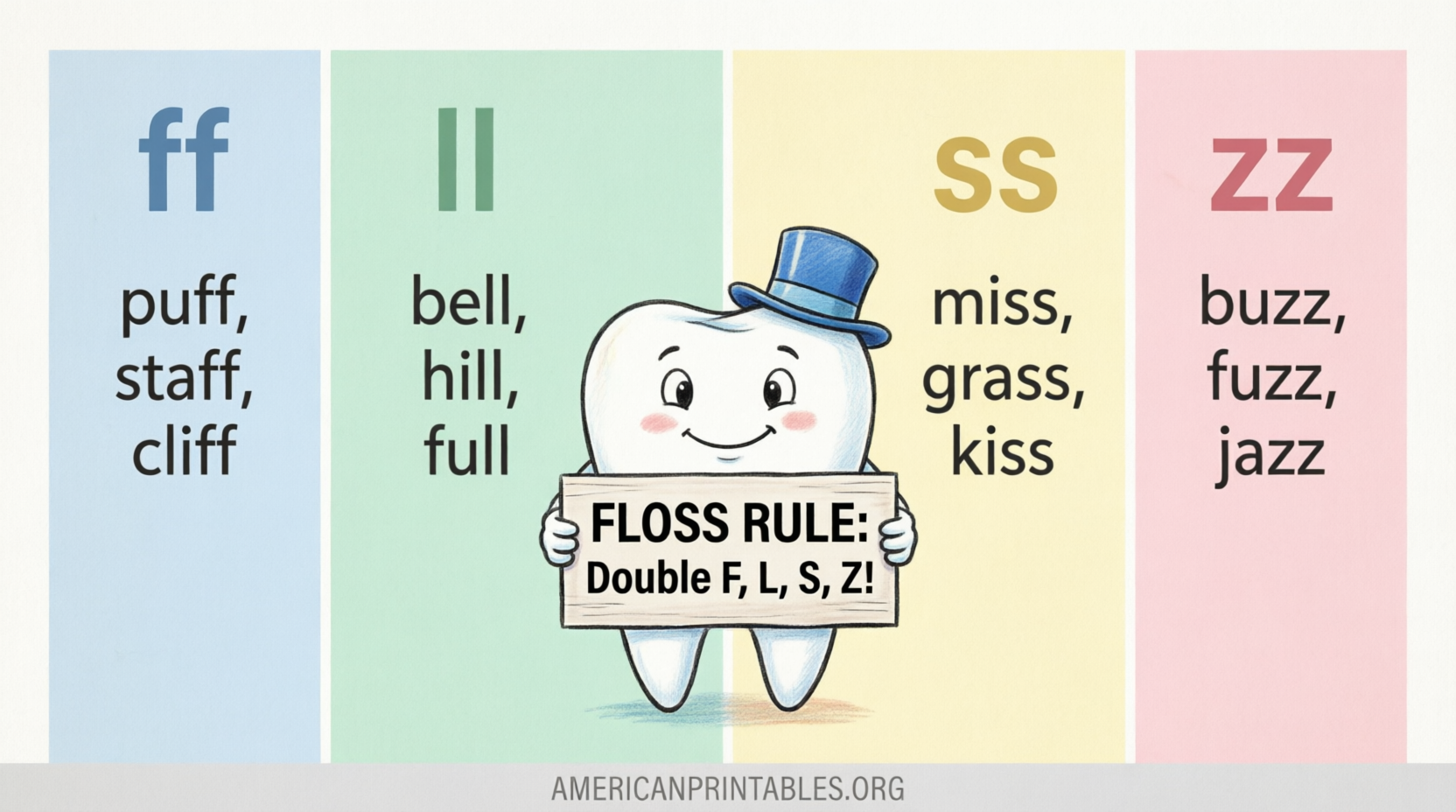
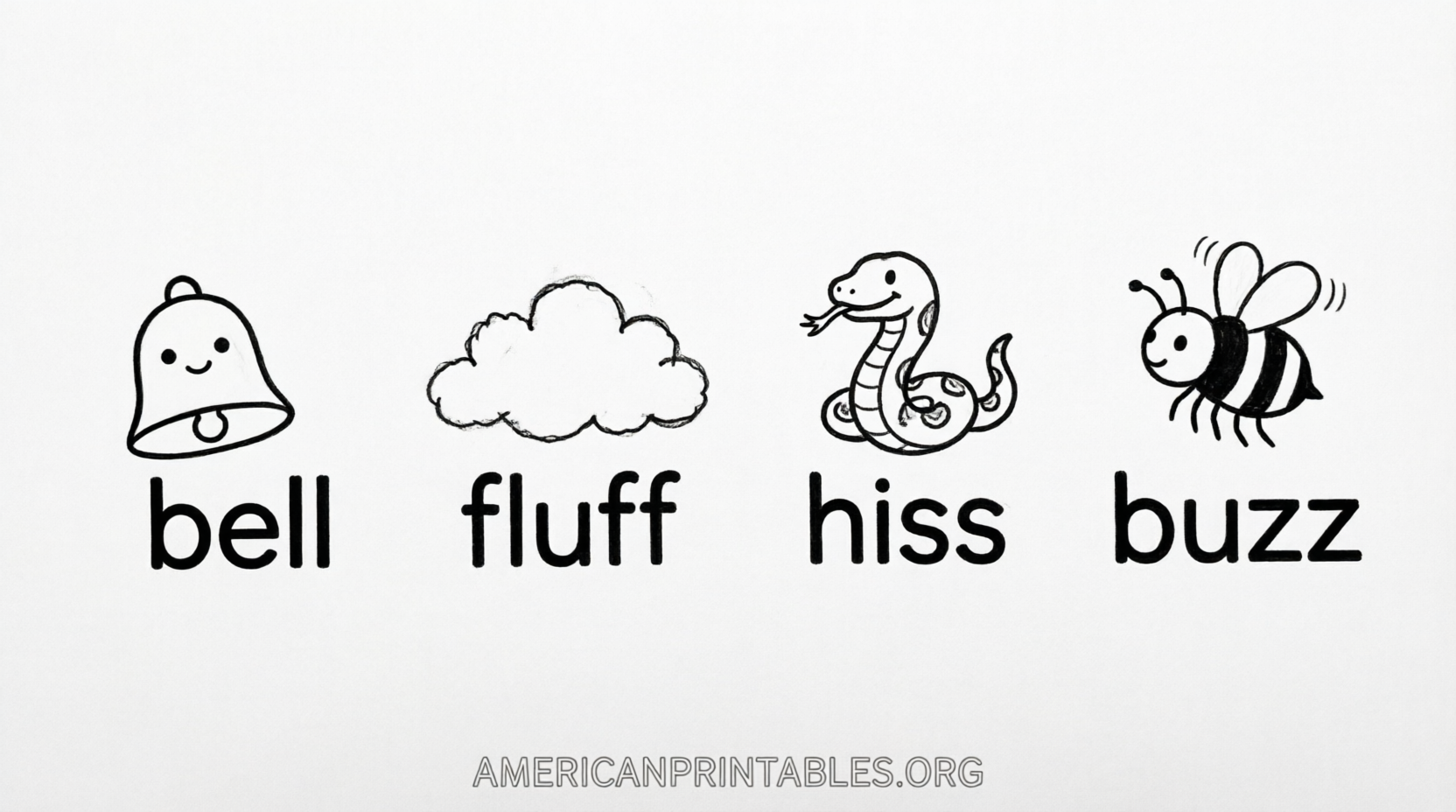
If a one-syllable word has a short vowel sound and ends with the letter f, l, s, or z, you usually double that letter. Classic examples include puff, bell, miss, fluff, spill, pass, buzz, and fizz. Words that do not follow the pattern (long vowels, multi-syllable words, or endings other than f/l/s/z) keep a single consonant.
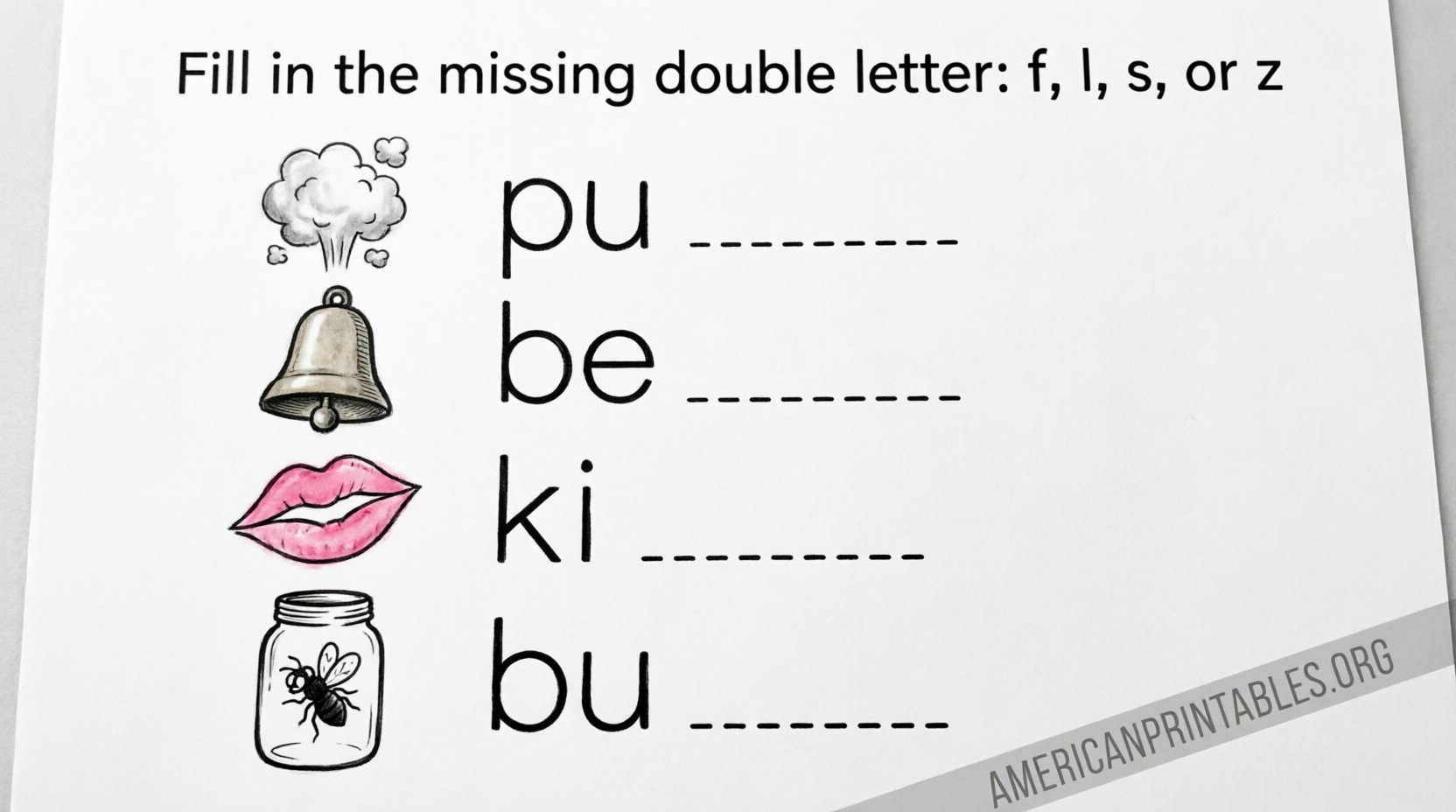
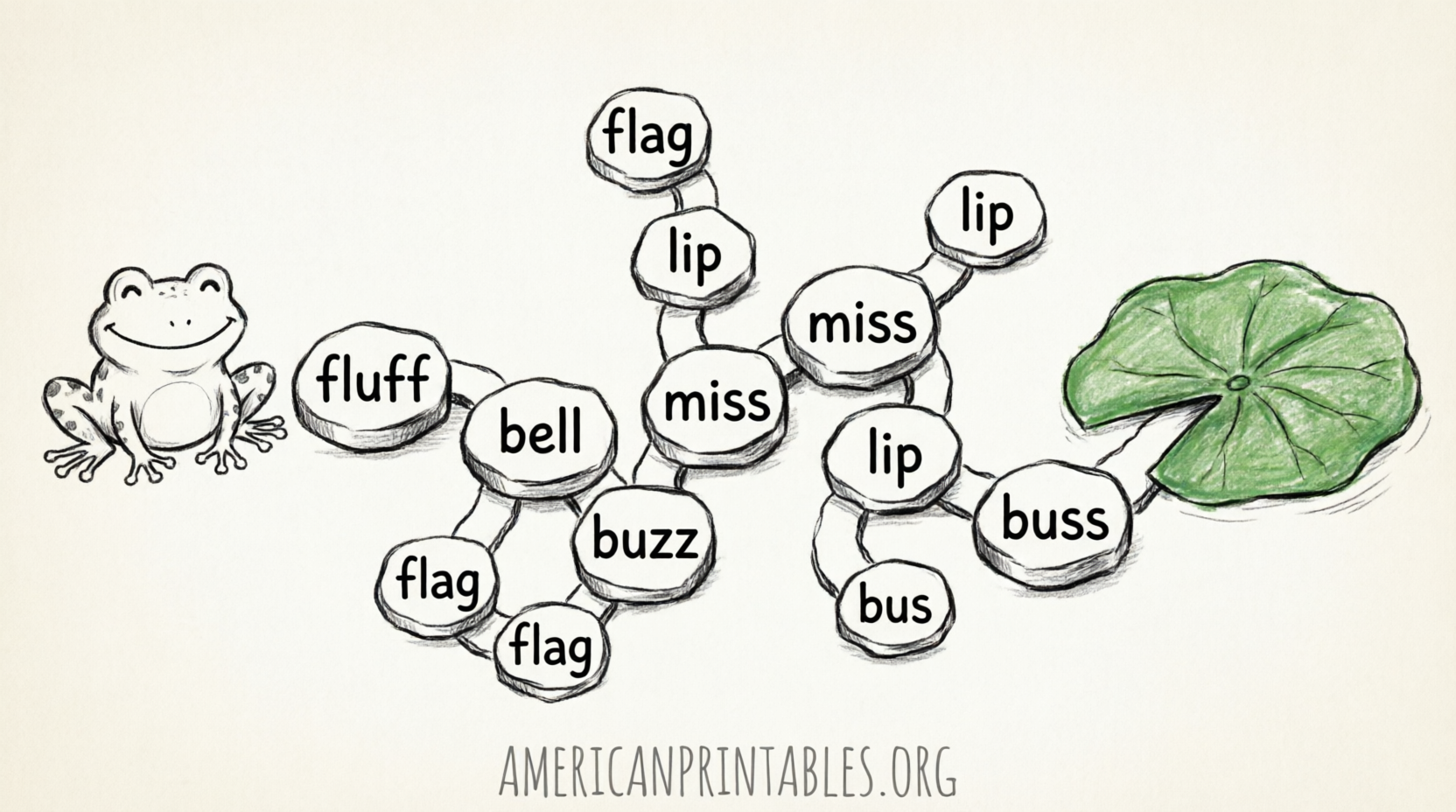
Mastering this rule improves decoding, spelling accuracy, and reading fluency. Free printable Floss Rule worksheets give children repeated, low-pressure practice through word sorting, fill-in-the-blank activities, picture matching, and sentence work.
What the Floss Rule Covers?
- One-syllable words only
- Short vowel sound (a, e, i, o, u as in cat, bed, sit, hot, cup)
- Ending consonant is f, l, s, or z
- Double the final letter: ff, ll, ss, or zz
Common practice words include: cuff, staff, hill, yell, kiss, moss, buzz, fizz, drill, spill, puff, fluff.
Exceptions and related patterns (such as words ending in -ck or multi-syllable words) are usually introduced later.
Where to Find Free Printable Floss Rule Worksheets?
Here are legitimate, currently available free resources that offer downloadable or printable Floss Rule practice suitable for U.S. classrooms and homeschoolers.
One popular free pack with picture-supported activities for first and second graders is available from 123 Homeschool 4 Me. The set focuses on f, l, and s endings and can be used with magnetic letters or dry-erase markers. Scroll to the bottom of the page and use the download link for the PDF:
Free Floss Rule Worksheets from 123 Homeschool 4 Me.
Education.com offers clear, classroom-ready worksheets that reinforce reading and identifying Floss Rule words. Two useful free options are:
These pair well with Education.com’s related lesson plan “FLOSS It!” for structured introduction and practice.
Wayground (formerly Quizizz) hosts a large collection of free printable Floss Rule worksheets and quizzes created by teachers, many with answer keys and suitable for kindergarten through early elementary. Search their Floss Rule section for PDF-ready materials:
Free Printable Floss Rule Worksheets on Wayground.
Teachers Pay Teachers also lists many free Floss Rule (FLSZ) worksheets and word-mapping activities from individual educators. Filter for “free” to find no-cost downloads (account required). Choose highly rated options that include answer keys when available.
Always verify that a resource is labeled free before downloading, and respect each site’s terms of use (personal or classroom use only is typical).
Free Printable Floss Rule Worksheets
Tips for Using Floss Rule Worksheets Effectively
Print in black-and-white to save ink, or laminate and use dry-erase markers for repeated practice. Start with guided examples, then move to independent work. Pair worksheets with oral spelling, magnetic letters, or decodable sentences that feature the same words. Review a few words daily rather than one long session.
For struggling readers, focus on word mapping (saying each sound while writing the letters) and highlight the short vowel + doubled ending pattern.
Brief FAQ
What grade is the Floss Rule usually taught?
Most U.S. programs introduce it in late kindergarten or first grade and review it in second grade.
Does the rule include z?
Yes. The full name is often FLSZ, though z words are less common, so many early worksheets emphasize f, l, and s.
Are these worksheets aligned with Science of Reading approaches?
Many free resources now include orthographic mapping, word sorts, and decoding practice that support structured literacy.
Free printable Floss Rule worksheets give children the repeated practice they need to internalize this reliable spelling pattern. Start with the linked resources above, print a few pages, and help young learners build stronger reading and writing skills one double consonant at a time.