Free Printable Blank Accounting Forms (USA Guide) – Looking for free printable blank accounting forms to track income, expenses, invoices, or ledgers for a small business or personal finances in the United States? These ready-to-print PDFs help you maintain organized records without expensive software. They support IRS recordkeeping requirements and work well for sole proprietors, freelancers, and students learning bookkeeping basics.
Blank accounting forms provide structured pages for journals, general ledgers, cash books, invoices, balance sheets, and more. You can print them, fill them by hand, or use them as practice worksheets. Proper records help monitor business progress, prepare tax returns, and substantiate deductions if the IRS requests documentation.
Why Use Free Printable Blank Accounting Forms?
The IRS does not require a specific recordkeeping system, but it does require clear records of income, expenses, and supporting documents such as invoices and receipts. Journals and ledgers summarize daily transactions. Free printable blank forms make this process simple and low-cost.
Common uses include:
- Recording daily sales and expenses in a cashbook
- Tracking accounts receivable or payable
- Creating professional invoices for clients
- Practicing double-entry bookkeeping
- Preparing basic financial statements
These forms suit U.S. small businesses that prefer paper systems or need temporary backups while setting up digital tools.
Types of Free Printable Blank Accounting Forms
Popular blank forms include:
Cashbook or Cash Receipts/Payments Journal
Tracks money in and out by date, description, and amount. Ideal for single-entry bookkeeping.
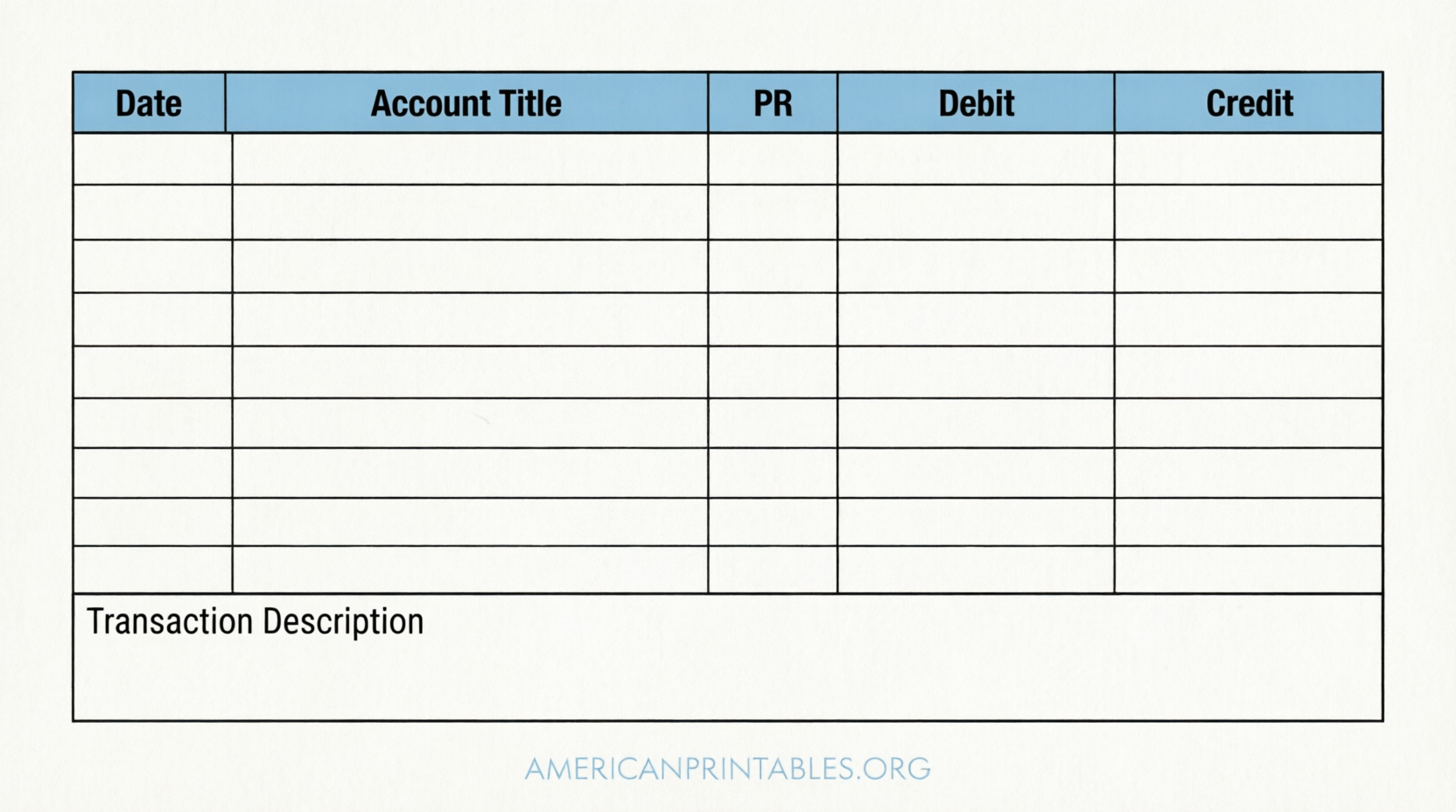
General Journal
Records chronological transactions with debit and credit columns for double-entry systems.
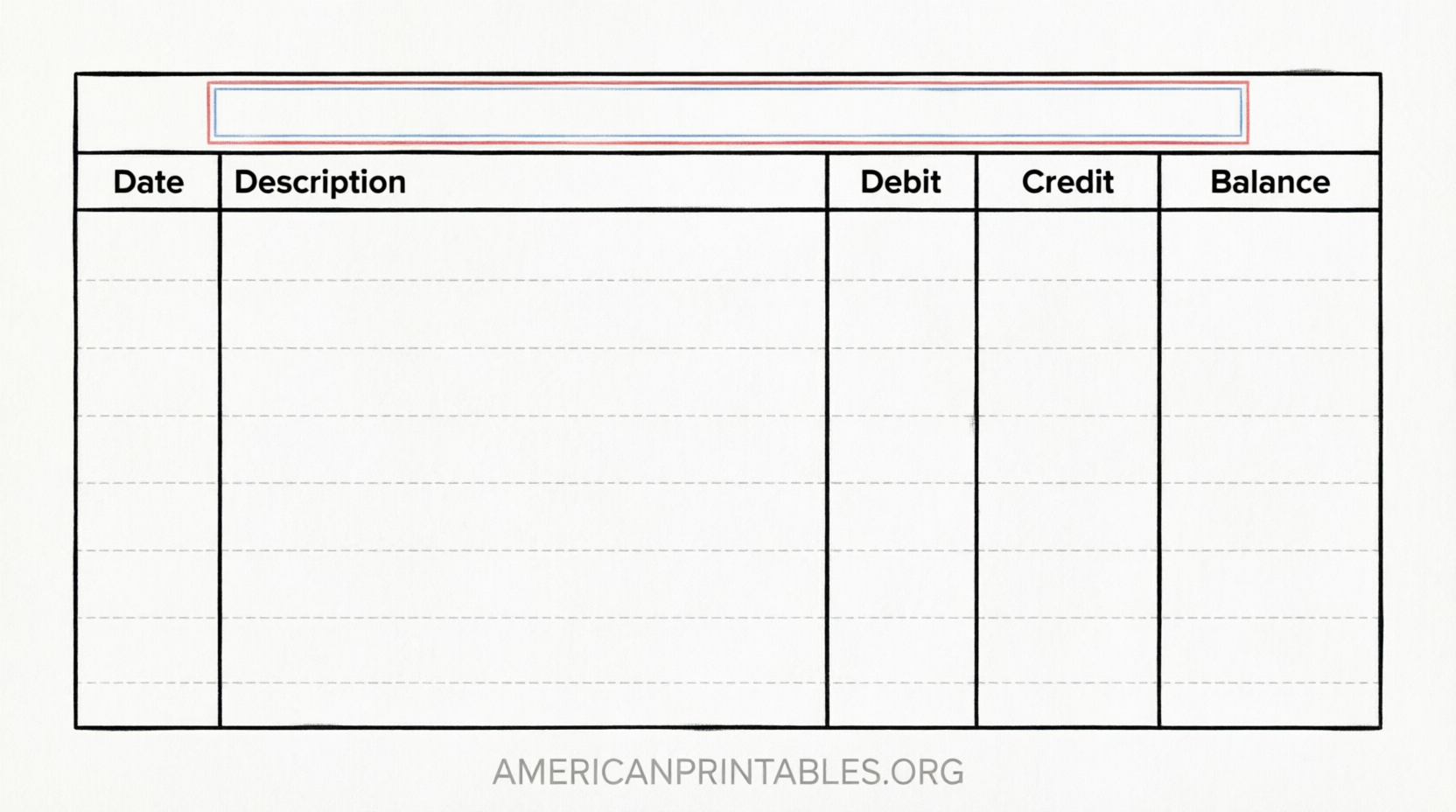
General Ledger or T-Ledger
Organizes transactions by account (cash, accounts receivable, expenses). Running balances show account status at a glance.
Invoice and Credit Note Templates
Blank professional layouts for billing clients. Include fields for invoice number, date, items, tax, and totals.
Bank Reconciliation Form
Compares your records to bank statements and notes outstanding items.
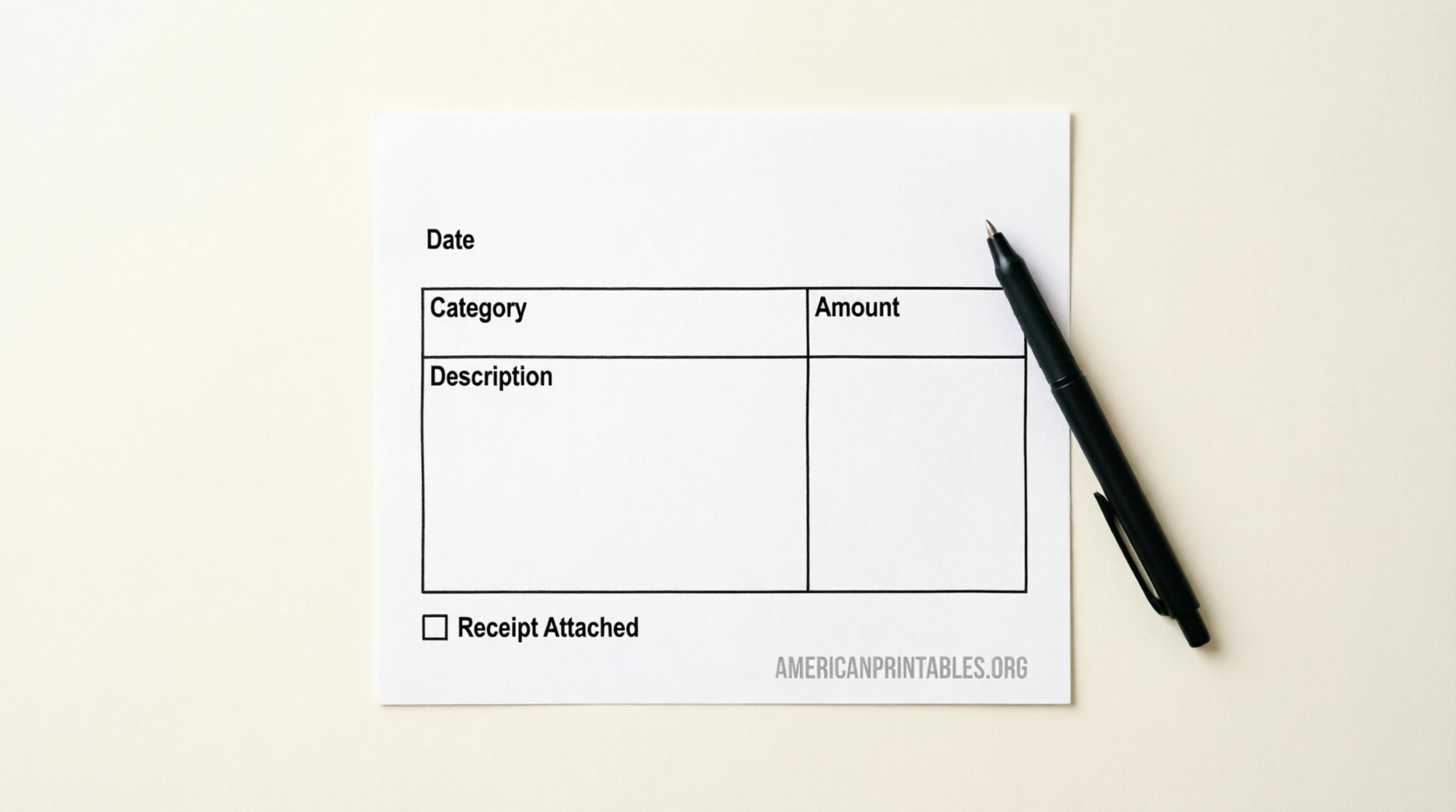
Petty Cash Log and Vouchers
Monitors small cash expenses with slips for each disbursement.
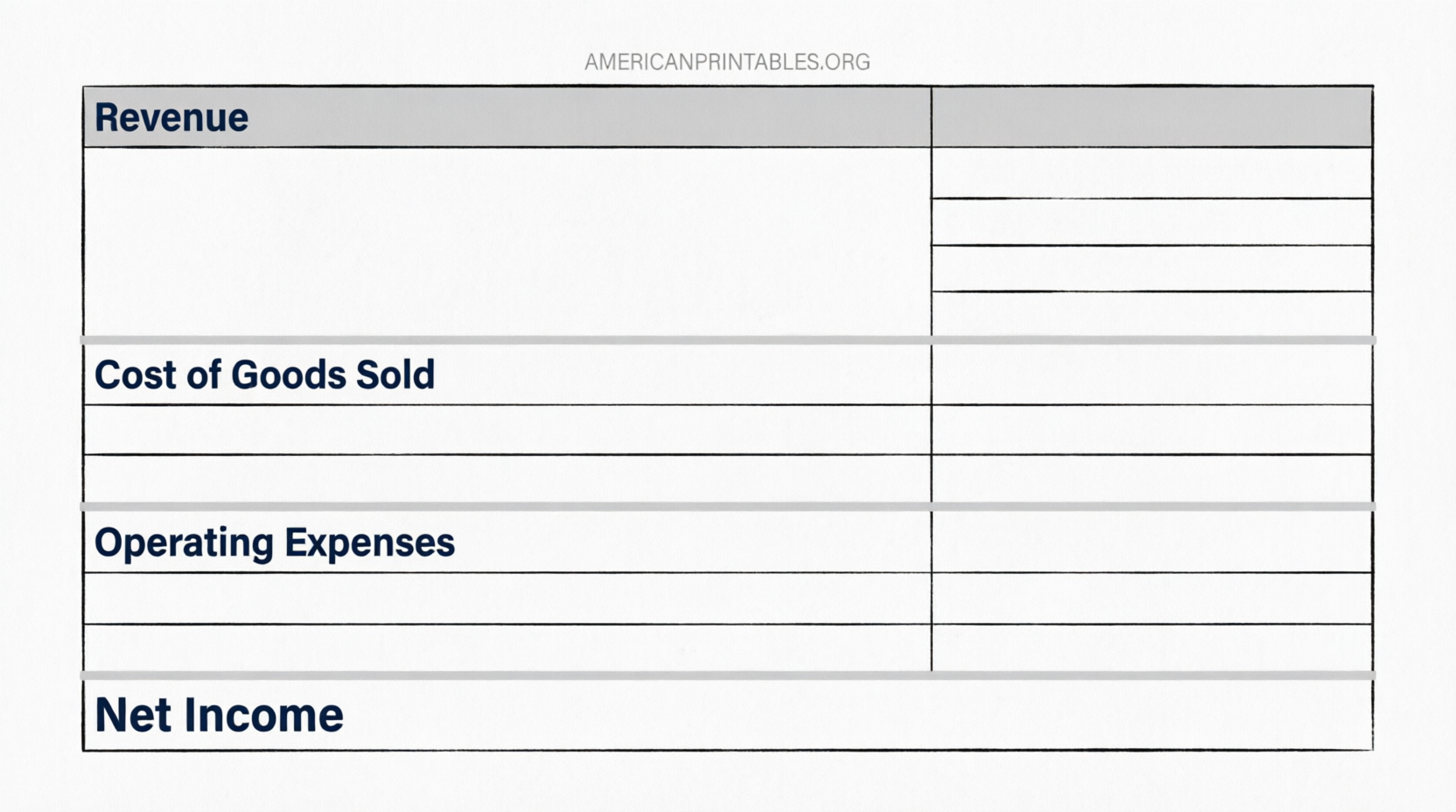
Trial Balance, Profit & Loss, and Balance Sheet
Summarizes accounts to check accuracy and report financial position.
Chart of Accounts
Lists common account names with space to customize for your business.
Free Printable Blank Accounting Forms (USA Guide)
Where to Find Legitimate Free Printable Blank Accounting Forms?
Here are trusted sources that offer free downloads without paywalls or misleading claims. Always verify the latest files directly on the site.
One of the most practical collections of free printable bookkeeping forms is available at Beginner Bookkeeping. This site provides more than 30 blank PDF templates, including cashbook, bank reconciliation, sales invoice, customer ledger, accounts payable, journal, T-ledger, trial balance, profit and loss, balance sheet, and chart of accounts. Click any form image to download instantly. The site explicitly grants permission to print and use them for business or teaching.
For official IRS guidance on what records to keep and how long to retain them, download Publication 583, Starting a Business and Keeping Records, from the IRS website. It explains journals, ledgers, supporting documents, and sample systems that align with federal tax rules for U.S. businesses. Access it at IRS.gov/publications/p583.
A clean blank invoice template (PDF, Word, and Excel) with no signup or watermark is offered by Harpoon. The PDF version is ideal for printing and handwriting. Download it from harpoonapp.com/templates/blank-invoice-template.
These three sources stay under the recommended limit and prioritize free, authoritative, or highly practical options. Avoid sites that require email sign-ups for “free” downloads or push paid upgrades before releasing the forms.
How to Use Blank Accounting Forms Effectively?
- Print on standard letter-size paper (or use a PDF editor for digital filling).
- Fill in headers with business name, account titles, and date ranges.
- Record transactions promptly with clear descriptions and supporting document references.
- Total columns regularly and transfer amounts to the general ledger.
- Reconcile monthly against bank statements.
- Store completed forms with original receipts, invoices, and canceled checks in chronological order.
For tax purposes, keep most records at least three years (four years for employment tax records). Electronic copies are acceptable if they are complete, accurate, and accessible.
Tips for U.S. Small Businesses and Self-Employed Individuals
- Match forms to your accounting method (cash or accrual).
- Use a consistent chart of accounts so reports stay comparable year to year.
- Separate personal and business transactions.
- Back up paper forms by scanning them periodically.
- Transition to accounting software (QuickBooks, Wave, or Excel templates) once volume grows, but keep printable forms as a reliable fallback.
Students and teachers can also use the blank journal and ledger sheets for classroom practice without cost.
FAQ
Are these forms IRS-approved?
No specific form is required. The IRS accepts any clear system that shows income, expenses, and supporting documents. Publication 583 provides the official framework.
Can I edit the PDFs?
Most printable forms are designed for handwriting. Some sources also offer Excel or Word versions that allow typing and formula calculations.
Do I need an accountant to use them?
Not for basic recordkeeping. The forms help you organize data that an accountant or tax preparer can later review.
Is there a limit on how many I can print?
No. Trusted free sources allow unlimited personal or business use of their blank templates.
Free printable blank accounting forms give U.S. business owners and individuals a simple, no-cost way to stay organized and tax-ready. Start with the comprehensive set at Beginner Bookkeeping, consult IRS Publication 583 for requirements, and add a blank invoice template as needed. Consistent use of these tools builds reliable financial records that support better decisions and smoother tax seasons.